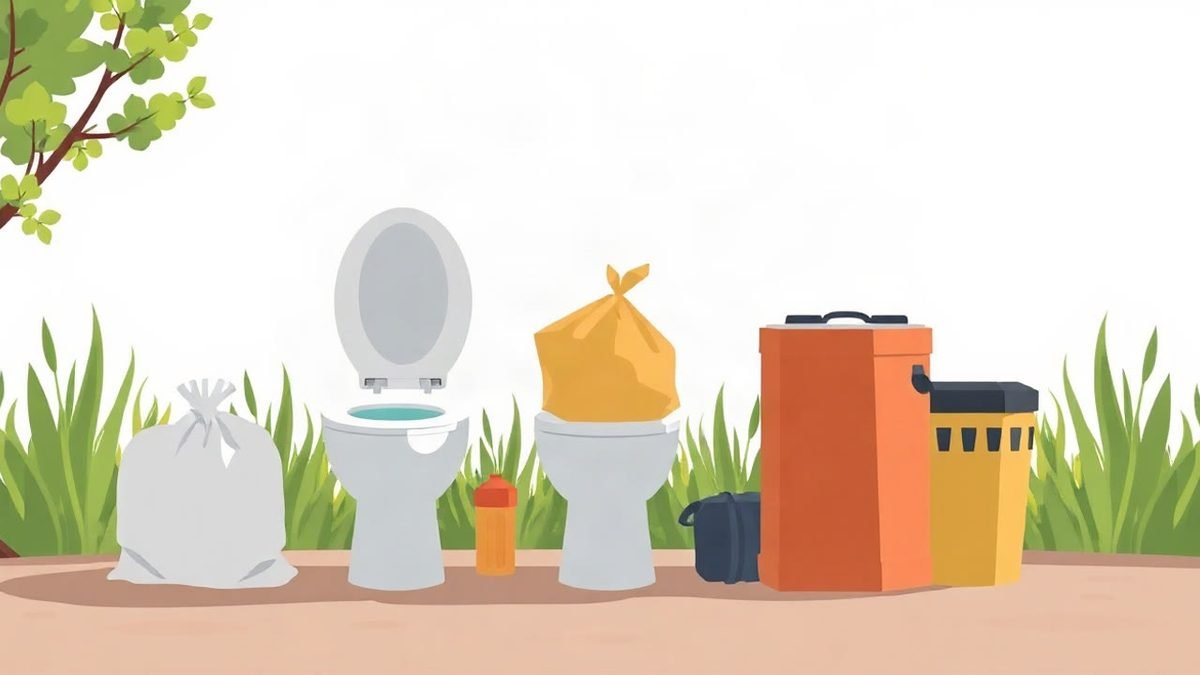

How to dispose of camping toilet waste bags
Used camping toilet waste bags should be sealed, kept in an airtight container until you leave site, and then disposed of either in general household or campsite waste where the operator permits it, emptied at a designated chemical toilet disposal point if your system allows, or, in England under strict conditions, buried under the D3 waste exemption. Never bury bagged waste casually, never leave bags at the campsite and never dispose of them near water, because human waste can contaminate water sources and create serious hygiene problems (PlopEco).
Key takeaways
- There are two main bag systems: single-use disposable bags and refillable bags with a removable waste container that is emptied and sanitised between uses (ToiletSense).
- The safest, most common disposal route is a designated waste disposal point, such as the chemical toilet disposal point found at most permanent campsites and caravan sites (GOV.UK).
- Burial of portable toilet waste in England is only legal under the D3 waste exemption, with a limit of one cubic metre per year and strict distance rules from water sources (GOV.UK).
- Never deposit waste within 10 metres of a watercourse or 50 metres of a spring, well or borehole (GOV.UK).
- Containment is everything: a sealed bag stored in a rigid container keeps smells, flies and spills under control until you can dispose of it properly.
Why correct disposal matters more than most campers realise
Portable toilet waste is not the same as ordinary rubbish. Improper disposal can damage ecosystems, contaminate water sources and create hygiene risks for other people using the outdoors (PlopEco). Improperly discarded bags also create an unpleasant experience for other site users, even if the bag itself is marketed as biodegradable.
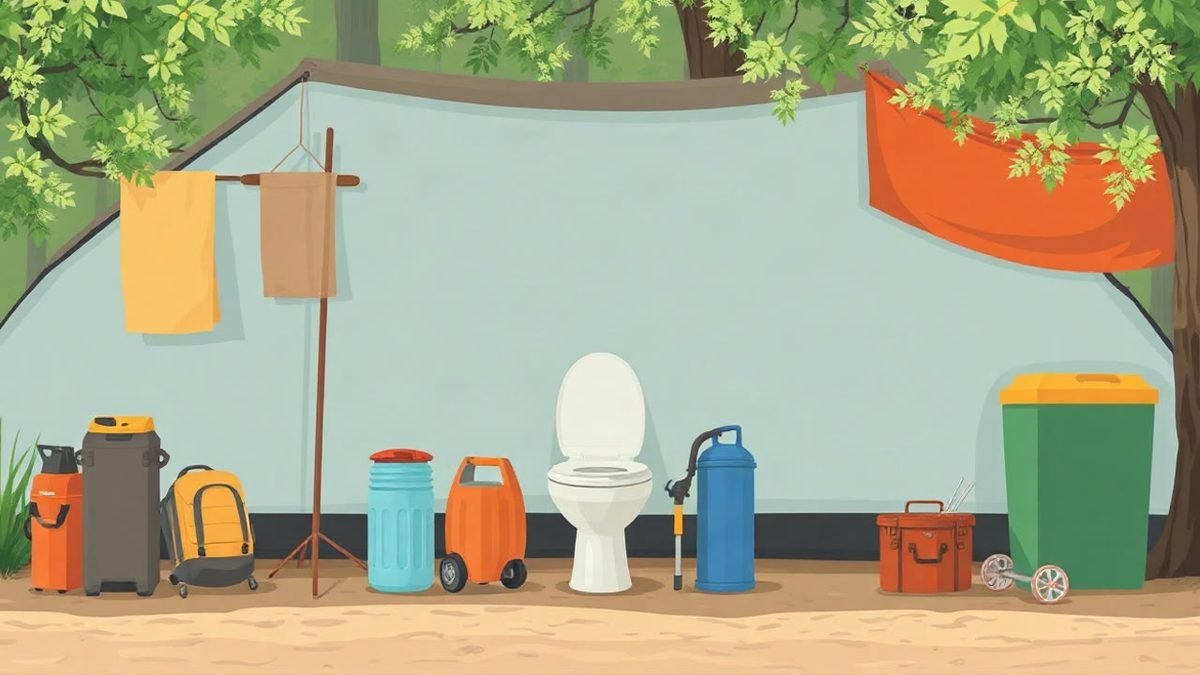
There is also a legal dimension. In England, depositing waste from a portable toilet on land is regulated activity. It is either covered by a registered waste exemption or it must go to a proper disposal route such as a foul sewer connection at a designed disposal point (GOV.UK). Understanding your options before you travel saves you from making a poor decision on site.
Know your bag system first
The correct disposal method depends on what kind of system you are using. There are two main types of camping toilet bags (ToiletSense):
- Disposable bags: designed for single use and discarded after each use, rather than being emptied and reused.
- Refillable bags: a reusable outer shell with a removable waste container that can be emptied, cleaned and used again (ToiletSense).
Chemical toilets, common in caravans and motorhomes, work differently: waste is held in a tank with chemicals to control odours, and the tank must be emptied at a designated waste disposal point (PlopEco). If you are unsure how often your tank or bag system needs emptying on a typical trip, our guide to how often to empty a portable toilet on a weekend camping trip covers the practical timings.
Where can you legally dispose of camping toilet waste bags?
Designated disposal points and dump stations
The preferred route in most cases is disposal to a foul sewer at a site designed for it. Most permanent campsites and caravan sites have a chemical toilet disposal point (GOV.UK). These points are often located at campsites, motorhome service areas and similar facilities (PlopEco). If you are travelling by RV, dump stations can be used to empty the contents of a refillable camping toilet bag system as well (ToiletSense).
Note the practical limitation: many disposal points are built for cassettes and tanks, not for plastic waste bags. Where the point accepts cassette waste only, decanting is unhygienic and usually against site rules. In that case, treat your sealed bag as general waste instead and use the household or site bin route described below, if the operator allows it.
General waste bins
Disposal routes vary by product and location, so always follow the manufacturer’s instructions and check with the campsite operator before using their bins, because some sites restrict what can go in their skips. Keep the bag double-sealed and stored in a rigid, lidded container until disposal to avoid odour and puncture problems.
Professional waste disposal services
If you cannot locate a designated disposal area, or you have a large quantity of waste to deal with, a professional waste disposal service is the recommended fallback (ToiletSense). This is more relevant for group events and remote sites than for a solo weekend trip.
Can you bury camping toilet waste bags? The D3 exemption rules
In England, burial of waste from a portable toilet is possible only under the D3 waste exemption, which exists to avoid transporting small quantities of waste long distances to sewage treatment works (GOV.UK). The classic example given by the regulator is a small group of Scouts camping for a night at a remote site with portable toilets, who then intend to bury the waste (GOV.UK). If this applies to your trip, you must follow every condition:
- You can deposit up to one cubic metre of waste in any 12 month period (GOV.UK).
- You must not deposit waste within 10 metres of any watercourse or 50 metres of any spring, well or borehole (GOV.UK).
- You can only bury waste at the place of production, meaning where the toilet was actually used (GOV.UK).
- Waste must not be spread or tipped onto land, and toilet waste must not be brought in from other places to deposit on your land (GOV.UK).
- Waste exemptions generally require registration and there is a charge for most of them; D3 sits in band 3 of the charging structure (GOV.UK).
- Check the new rules due from January 2027 before relying on the exemption, as the guidance flags changes ahead (GOV.UK).
Also note what D3 does not cover: it applies to portable sanitary conveniences only, so waste from fixed toilets is excluded (GOV.UK). In most cases, the regulator’s own advice is that disposal to a foul sewer at a designed point is better than burial (GOV.UK). For casual campers without a registered exemption, the short answer is simple: do not bury bagged waste. This applies equally to families planning trips with children; if you are choosing a setup, our article on kids and camping toilets may help you pick a system with straightforward disposal.
Step-by-step: handling a used waste bag on site
This checklist condenses the published guidance into a sequence you can follow at the campsite:
- Seal the bag immediately after use. Expel excess air, tie or seal the closure, and check for damage.
- Double bag if the outer layer is soiled or damp. A second sealed bag is cheap insurance against leaks and smells.
- Store in a rigid, lidded container. A bucket or lockable box keeps animals, insects and sunlight away from the bag until you can dispose of it.
- Identify your disposal route before you break camp. Check whether the site has a chemical toilet disposal point or permits bagged waste in its bins (PlopEco).
- Dispose of the bag or empty the container. Use the disposal point for cassette or tank waste; place sealed bags in permitted general waste.
- Sanitise. Clean and sanitise reusable outer shells and your storage container, and wash your hands thoroughly before eating or handling food.
For context on the wider sanitation picture at camp, our guide to how to dispose of greywater when camping covers the other waste stream most trips generate.
Common mistakes to avoid
- Burying the bag itself. Bagged waste can attract animals and cause contamination if not buried properly, and the D3 exemption has strict conditions that most casual trips do not meet (GOV.UK).
- Tossing bags in public litter bins or leaving them beside full bins. Sealed human waste in an overflowing bin creates a hygiene hazard for whoever empties it.
- Disposing near water. The 10 metre watercourse and 50 metre spring, well or borehole distances in the official guidance reflect the contamination risk (GOV.UK).
- Mixing chemical toilet contents into the wrong drain. Chemical tank waste belongs at a designated disposal point, not in septic tanks or surface drains (PlopEco).
Does the bag type change the disposal method?
Yes. Disposable bags are designed to be discarded after each use, so your task is containment and then a legal waste route. Refillable systems split the job in two: the waste container is emptied and sanitised for reuse, and if you are in an RV the contents can go to a dump station (ToiletSense). Chemical toilet tanks must always be emptied at a designated disposal point because of the chemical contents (PlopEco).
FAQ
Can I put camping toilet waste bags in a normal household bin?
Sealed, single-use bags are generally designed for disposal in general waste once closed. Whether a particular bin accepts them is down to the operator, so check with the campsite or your local waste rules first. Store bags in a rigid, sealed container until disposal day.
Is it legal to bury a camping toilet bag in the UK?
Only under specific conditions. In England, burial of portable toilet waste is permitted under the D3 waste exemption, with a one cubic metre annual limit, distance rules from water and wells, burial only at the place of production, and registration requirements (GOV.UK). Most casual campers should use a disposal point or permitted waste bin instead.
How far from water must I dispose of toilet waste?
The D3 guidance requires no deposit within 10 metres of any watercourse and no deposit within 50 metres of any spring, well or borehole (GOV.UK). Treat these as sensible minimum distances for any waste handling, even when using legal disposal routes.
What do I do if the campsite has no disposal point?
Keep everything sealed and contained, use permitted general waste if the operator allows it, or contact a professional waste disposal service if you have a large quantity or cannot find a designated area (ToiletSense). Plan your route so you can reach a disposal point before your storage fills up.
Can biodegradable bags be left in the outdoors to break down?
No. Leaving any used waste bag outdoors creates hygiene and environmental risks, and biodegradable materials break down slowly in real conditions. Responsible disposal means sealed containment followed by an approved waste route (PlopEco).
Final word
Disposing of camping toilet waste bags responsibly comes down to three habits: seal everything properly, know your disposal route before you need it, and never take shortcuts near water. The designated disposal point at most campsites remains the best option for tank and cassette waste, while sealed single-use bags belong in permitted general waste unless you hold the relevant exemption. For the other half of camp sanitation, read our step-by-step guide to disposing of greywater when camping next.