
Where to empty a portable toilet in the UK
In the UK, you can empty a portable or cassette toilet at a campsite chemical disposal point (CDP), at some motorhome service points, or at home into your own toilet if you are on mains drainage. The one thing you must never do is tip it into a roadside drain, hedgerow, watercourse or public toilet: dumping into rivers and drains is illegal, and pouring waste down ordinary loos is unfair on the people who have to deal with it.
Knowing your options before you travel takes the stress out of the least glamorous part of camping sanitation. This guide covers every legitimate place to empty a cassette or portable toilet, how to do it cleanly, and the rules around rural disposal.
Key takeaways
- Chemical disposal points (CDPs) are the standard option. Every Caravan and Motorhome Club and Camping and Caravanning Club site has one, and most permanent campsites do too.
- You can empty a cassette at home into your own toilet, provided your property is on mains drainage rather than a septic tank.
- Some motorway services, marinas and aires have motorhome service points with cassette disposal; check apps and club directories before travel days.
- Burial of portable toilet waste is only legal in limited circumstances under the GOV.UK D3 waste exemption, with strict limits and conditions.
- Never dump in drains, hedgerows or watercourses. It is antisocial and, in the case of watercourses, illegal.
Campsite chemical disposal points: the default choice
A chemical disposal point is usually a large hopper connected to the foul sewer or a septic tank, with a rinse tap alongside. If you are staying on a serviced campsite, this is where your cassette waste belongs. According to Qualkem Direct, every Caravan and Motorhome Club and Camping and Caravanning Club site has a dedicated CDP, and most permanent campsites and caravan sites have one too.
How to use a CDP properly
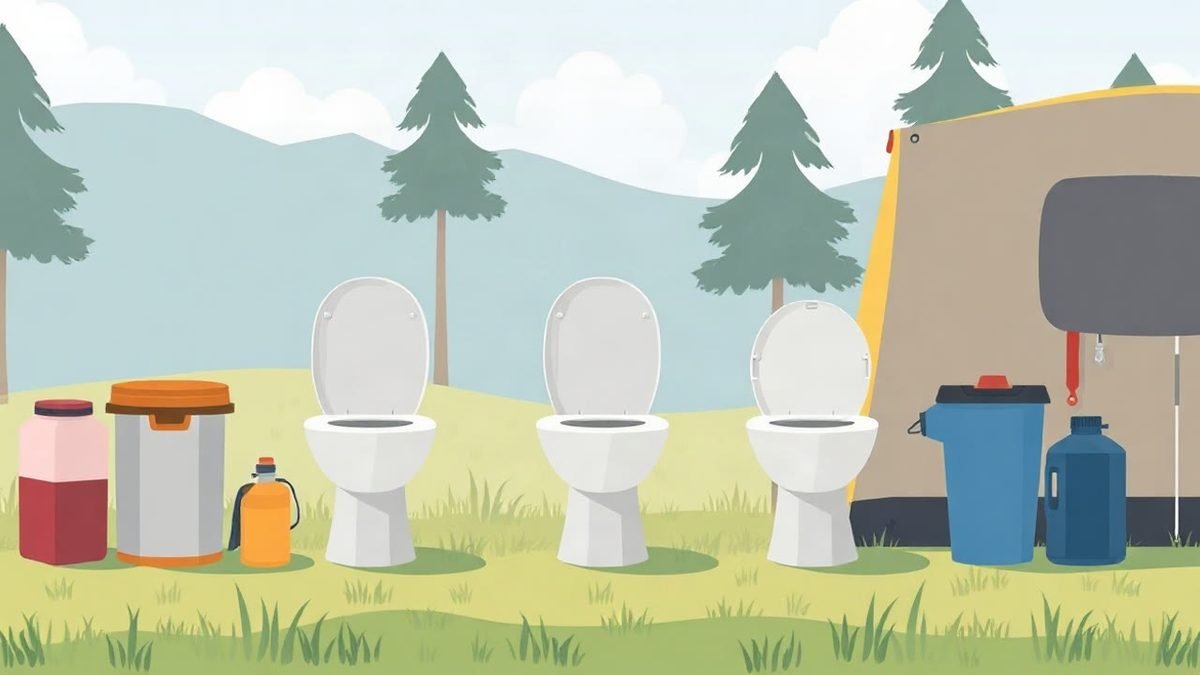
- Carry the cassette to the hopper with the vent or air release button pressed while pouring slowly, which prevents glugging and splashing.
- Rinse the cassette using the tap at the CDP. Never use a drinking water tap for rinsing a waste cassette.
- Rinse the disposal point itself after use as a courtesy to the next person.
- Add fresh water and a new dose of toilet fluid before returning the cassette to your unit.
One detail matters here: some smaller sites and Certified Locations (CLs) drain their CDP to a septic tank rather than mains sewer. On these sites, use a septic-safe toilet fluid rather than a formaldehyde-based product, since harsh chemicals can disrupt the bacterial action a septic tank relies on.
If you are still deciding which unit to empty in the first place, our comparison of budget vs premium portable toilets explains which features make waste handling easier.
Can you empty a cassette toilet at home?
Yes, and for many occasional users this is the simplest option. If your home is on mains drainage, you can empty a portable toilet cassette into your own toilet, then rinse the cassette and clean it before storing. Qualkem Direct lists this as one of the three legitimate disposal routes.
Two caveats are worth noting:
- Check your drainage type. If your home runs on a septic tank rather than mains sewer, be cautious about what you pour in, and match your toilet fluid accordingly.
- Pour slowly and cleanly. Take your time, use the air release vent, and wipe the cassette before it comes back indoors.
Do not be tempted to use a public toilet, a friend’s loo or a supermarket facility without asking. It is technically possible, but it is widely considered poor form and can create blockages if the cassette contains chemical fluid that the plumbing is not designed for.
Motorhome service points and en-route options
If you are touring rather than staying put, planning ahead saves you carrying a full cassette further than necessary. A full cassette can weigh up to 20kg, and sloshing waste is hard on the blade seal, so emptying little and often is kinder to both you and your equipment.
According to Qualkem Direct, a growing number of aires, marinas and some motorway services offer motorhome service points that include cassette disposal. Campercation maintains a directory of motorhome waste disposal points across the UK, covering both chemical toilet emptying points and grey water facilities, and the caravan clubs list service points through their apps and directories.
Planning tips for travel days
- Identify your next disposal point before your tank fills up; most campsites and service areas offer facilities.
- Keep a dedicated pair of rubber gloves and disinfectant with the cassette, so you are always equipped for an impromptu stop.
- Never leave it so late that a full cassette forces you into a risky or illegal disposal decision.
For event organisers rather than travellers, disposal works differently at scale: our guide on how many portable toilets an event needs covers why hired units usually include a servicing arrangement.
Is it legal to bury portable toilet waste in the countryside?
In very limited circumstances, yes. GOV.UK sets out the D3 waste exemption, which allows the burial of waste from a portable sanitary convenience, specifically to avoid transporting small quantities of waste long distances to sewage treatment works. The classic example given is a small group of Scouts camping at a remote site for a night with portable toilets.
The conditions are strict, and this is not a general licence for wild campers:
- You can deposit up to one cubic metre of waste in any 12-month period.
- Waste must not be deposited within 10 metres of any watercourse, or within 50 metres of any spring, well or borehole.
- You can only bury waste at the place where the toilet was used; you cannot bring toilet waste in from elsewhere.
- Spreading or tipping waste onto land is not allowed, and neither is burial from a non-portable toilet.
- Most waste exemptions now carry a charge; D3 falls within band 3 of the charging bands. New rules apply from January 2027, so check the current GOV.UK guidance before relying on this exemption.
GOV.UK is clear that in most cases it is better to dispose of waste to a foul sewer at sites designed for the purpose, and that most permanent campsites and caravan sites have a chemical toilet disposal point. Treat burial as a remote-site fallback, not a routine option.
What never to do with portable toilet waste
This is where the law and basic decency overlap. The following are all off the table:
- Roadside drains and gullies. Many surface water drains run straight into streams and rivers, so chemical waste poured into them pollutes watercourses directly.
- Hedgerows, fields and woodland. Depositing waste on land without authorisation is illegal as well as unpleasant for landowners and other users.
- Rivers, lakes and canals. Discharging into watercourses is illegal, full stop.
- Public toilets. Cassette chemicals and solid waste can block or damage the plumbing and push the problem onto someone else.
- Grey water on the ground. Washing-up and shower water should also go to proper facilities, not poured onto the ground, as Campercion’s disposal guidelines note.
Beyond the legal risk, irresponsible disposal can damage the reputation of campers and motorhomers and reflects badly on the wider community. Rinsing the disposal point after use, using gloves, and leaving facilities clean all help keep these amenities open for everyone.
How often should you empty a cassette toilet?
Frequency depends on how many people are travelling and how much the toilet is used. According to Jepsons Holidays, a standard motorhome cassette toilet usually needs emptying every two to three days with typical use. Cassette capacity varies by model, so check your unit’s specification; if you are choosing between models, our Camco 5.3 gallon portable toilet review looks at what a mid-sized tank means in practice for emptying frequency.
Do not wait until the cassette is completely full. Emptying little and often means you are never carrying more weight than necessary, and it makes pouring at the hopper easier to manage. On travel days, plan a stop at a service point rather than hauling a full cassette for hundreds of miles.
Practical hygiene kit for emptying a portable toilet
A little preparation makes the job quicker and more hygienic:
- Dedicated rubber gloves that never double up for cooking or cleaning.
- Disinfectant and toilet roll stored with the cassette.
- A cassette rinse carried out at the CDP tap only, never a drinking water tap.
- Suitable toilet fluid, chosen for septic-safe sites where needed.
FAQ
Can I empty a portable toilet into my toilet at home?
Yes, if your home is on mains drainage. Pour slowly into your own toilet, rinse the cassette, and refill with fresh water and fluid. If you are on a septic tank, check that your toilet fluid and waste are suitable before emptying indoors.
Are chemical disposal points free to use?
CDPs on campsites are typically for the use of guests staying on site. Some motorhome service points at aires, marinas and services are available to passing users, and access arrangements vary, so it is worth checking details before you travel. Club apps and directories list locations and access details.
Can I empty a cassette at a petrol station or public toilet?
Not without permission. Some motorway services and roadside locations have dedicated motorhome service points that include cassette disposal, but ordinary public or petrol station toilets are not suitable and using them for cassette waste is inconsiderate and can cause blockages.
Is it illegal to dump cassette waste in a drain?
Dumping into watercourses is illegal, and emptying into roadside drains or onto land is at best antisocial and at worst an offence, since many drains feed directly into rivers. Always use a designated disposal point or your own toilet at home.
What happens if a campsite’s CDP drains to a septic tank?
Use a septic-safe toilet fluid. Harsher formaldehyde-based chemicals can interfere with the bacterial breakdown a septic tank depends on. Sites that drain to a septic tank are common among smaller sites and Certified Locations.
Final thoughts
Emptying a portable toilet is straightforward once you know where to go: campsite CDPs as standard, your own toilet at home if you are on mains drainage, and motorhome service points en route. Plan your disposal points before you travel, carry gloves and cleaning supplies, and leave every facility cleaner than you found it. If you are choosing a new unit before your next trip, start with our budget vs premium portable toilet comparison to find one that suits how you travel.