
Chemical toilets and separating toilets both let you camp, travel or work without mains drainage, but they solve the problem differently. A chemical toilet holds mixed waste in a tank treated with additives to control odour, while a separating toilet divides liquids from solids at the seat, needing little or no water and no chemicals. The right choice comes down to how you travel, how often you can empty the unit and how hands-on you want the waste disposal routine to be.
Key takeaways
- Chemical toilets are familiar, compact and relatively affordable, but they need regular emptying at approved disposal points and suitable treatment products.
- Separating toilets use little or no water and no chemical additives, which makes them lighter on the environment and often on your wallet over time.
- Separating toilets involve more hands-on emptying and careful waste handling, which some people simply will not enjoy.
- Odour control works differently: chemicals suppress smell in a mixed tank, while separation removes the main cause of smell by keeping liquids and solids apart.
- Neither option is maintenance-free; both need a consistent emptying routine to stay pleasant to use.
What is the difference between a chemical toilet and a separating toilet?
A chemical toilet is a self-contained portable unit. It uses chemical additives to break down human matter, reduce odours and sanitise the holding tank, and it needs no water mains connection or drainage. You will commonly find them in motorhomes, campervans and boats, and some people bring them along for car camping trips. They are usually made up of a toilet bowl and seat, sometimes with a small flush tank, plus a removable waste tank underneath (CompoCloset UK).
A separating toilet, sometimes called a urine-diverting or dry separation toilet, collects liquids and solids separately, usually without flush water. A divider in the bowl directs urine into one container while solids drop into another, often with a covering material such as sawdust or a drying medium added after use. Because the waste is never mixed, the units stay fresher and disposal is simpler.
Both approaches share the same goal: providing sanitary facilities where permanent toilets are unavailable or unsuitable. The difference is in the capacity, convenience and maintenance they offer day to day.
How does a chemical toilet work in practice?
Chemical toilets, often called Porta Pottis in their portable form, have a flush-water tank and a removable waste tank. You add treatment chemicals to the waste tank, flush after use, and carry the whole unit or just the cassette to an emptying point when it fills up.
The emptying routine
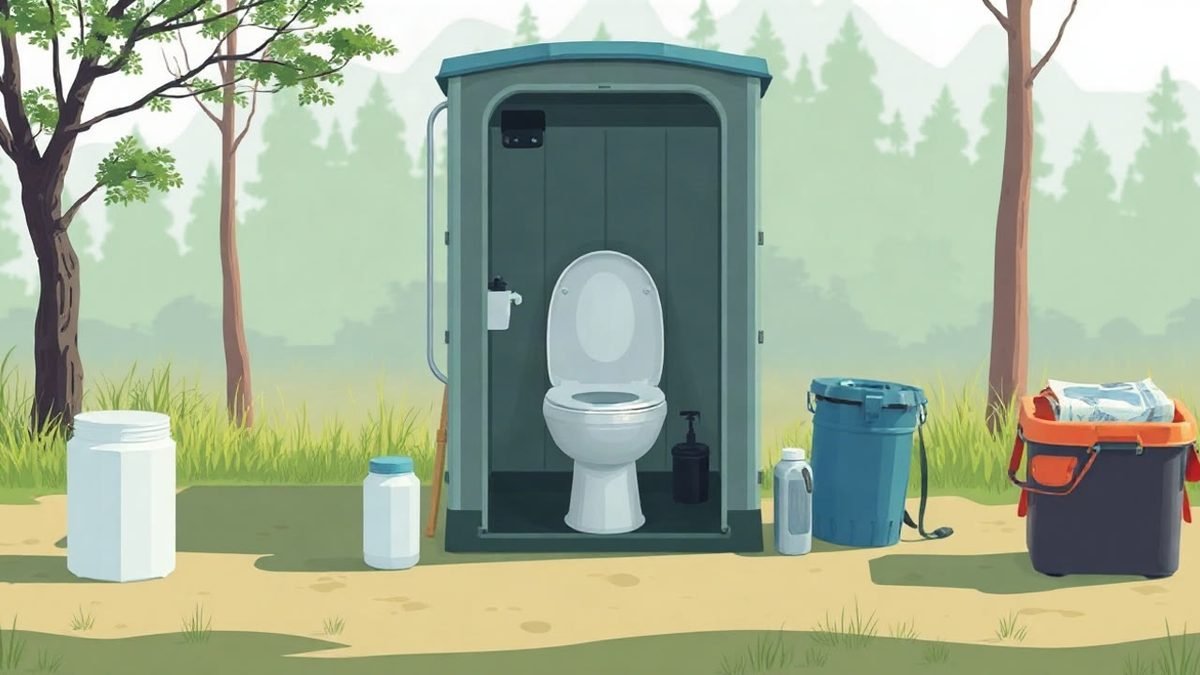
You need to empty the tank regularly at an approved chemical toilet disposal point, and you may need suitable toilet treatment products to keep it working well (Trekvana Campers). These disposal points are standard at caravan sites and motorhome service areas, which is why chemical toilets suit route-based travel where you know you will pass one every few days.
Where chemical toilets shine
They are relatively affordable, compact and familiar to use, which makes them a good match for weekend trips and smaller vans. If you are weighing up price tiers, our guide to budget versus premium portable toilets covers where an upgrade actually pays off.
How does a separating toilet work in practice?
A separating toilet does its work at the seat. Liquids go into a front container, solids into a rear one, and covering material is added to solids to help them dry and stay odour-free. There is no flush, so no water tank to fill and no chemical to dose.
Disposal of the two streams
Because the waste is separated, it can be disposed of more easily and in a more environmentally friendly manner than chemical toilet waste. Solids can be composted, while liquids can be diluted and poured into the garden, according to BOXIO, which makes a dry separation toilet like the BOXIO Toilet an eco-friendly and practical alternative for campers and travellers.
The trade-off
More hands-on emptying is the honest downside, and waste handling requires care with both containers (Trekvana Campers). Separating toilets suit travellers who want a waterless option and are comfortable with the routine. If your setup also needs a water supply plan, our comparison of off-grid water options may be useful reading.
Which option controls odour better?
Chemical toilets rely on additives to suppress smells in a mixed tank. Used correctly, with the right dose and regular emptying, they work well; left too long, or under-dosed, a mixed tank can develop noticeable odours quickly, especially in warm weather.
Separating toilets attack the problem at the source. Separating the waste can help with odour management, and it is widely suggested that keeping urine and solids apart is a key part of this. BOXIO highlights odor-free and comfortable use as one of the main selling points of dry separation toilets. In short, chemicals mask the problem, separation prevents it, but both depend on you emptying the containers on schedule.
Chemical toilets and separating toilets compared on cost and maintenance
Upfront, portable chemical toilets are usually the cheaper option and treatment chemicals are inexpensive, but they are a recurring cost you will buy for as long as you own the unit. Separating toilets tend to cost more to buy, particularly models with well-designed urine diverters, though they have few running costs beyond covering material and the occasional spare container.
Maintenance effort is the bigger difference. A chemical toilet asks for tank dosing, flush water top-ups and trips to a disposal point. A separating toilet asks for more frequent but simpler emptying, and both containers need appropriate disposal. Neither option is a set-and-forget solution, and anyone promising otherwise is overstating things.
For events and shared use, capacity matters more than toilet type. A single portable toilet can keep a small, short-term job moving, but the same unit on a busy site for several weeks, or at an event with a steady queue, soon becomes a false economy, as Greens Containers notes in their comparison of chemical toilets versus toilet blocks. Our UK planning guide on how many portable toilets you need for an event walks through the headcount maths.
Which toilet is better for the environment?
Separating toilets have a clear edge on paper. They do not require chemical additives, they save water and they reduce the burden on wastewater treatment plants and landfills (BOXIO). Some models are even made from recycled plastic, which reduces their environmental footprint further.
Chemical toilet waste must go to an approved disposal point because the treated tank contents should not be tipped into soil or drains. That is not a flaw so much as a constraint: if you always empty at proper facilities, a chemical toilet is a perfectly reasonable choice, and formulations have changed over time, though you should always follow the manufacturer’s disposal instructions.
A note of honesty here: some compact products marketed as composting toilets are really separating or drying toilets, because the waste does not remain inside long enough to finish composting (Trekvana Campers). If genuine composting matters to you, check whether the manufacturer expects you to finish the process in a separate composter.
Which should you choose for your trip?
Ask yourself four questions before buying:
- Where will you empty it? If you regularly stay on sites with chemical disposal points, a chemical toilet is convenient. If you wild camp or park remotely, consider whether you will have reliable access to cassette emptying facilities before choosing a chemical toilet.
- How long between trips to civilisation? Separating toilets divide liquids from solids, which some owners find easier to manage between full emptying, although how often you empty any toilet will depend on tank size and use.
- Are you comfortable with waste handling? Separating toilets mean opening containers and dealing with contents directly. If that thought puts you off, the chemical route is the more comfortable entry point.
- What is your budget? Chemical toilets win on upfront cost; separating toilets can win over years of ownership.
The best option depends on your van’s space, how often you travel and where you can empty the waste (Trekvana Campers). Weekend campers and smaller vans tend to suit chemical units; full-time travellers and eco-conscious users tend to prefer separation.
FAQ
Can you put chemical toilet waste in a normal toilet?
No. Chemically treated waste should go to an approved chemical toilet disposal point, such as those found at caravan and motorhome service areas. Tipping it into household toilets or drains is not appropriate because of the additives in the tank.
Do separating toilets smell?
Not if they are used correctly. Separation itself removes the main cause of odour by keeping urine away from solids, and covering material helps further. Emptying the containers on schedule is what keeps any unit smelling fresh.
How often do you empty a chemical toilet cassette?
It depends on tank size and use; as a general point, emptying more often keeps odour down and makes the job less messy. Leaving a mixed tank longer than that increases odour and makes emptying messier.
Can separating toilet solids really be composted?
The solids can be composted according to manufacturers such as BOXIO, but bear in mind that compact units do not finish composting internally. Proper composting happens in a separate composter over time, and local rules on disposing of human waste vary, so check what is permitted where you travel.
Which is cheaper long term?
A chemical toilet costs less to buy but carries ongoing costs for chemicals. A separating toilet costs more upfront with minimal running costs. Whether it works out cheaper overall depends on how often you travel and how much you spend on chemicals; sources note only that chemical toilets are cheaper upfront.
Final thoughts
There is no universal winner in the comparison between chemical toilets and separating toilets. Chemical toilets remain the straightforward, familiar and affordable choice for weekend trips and site-based travel. Separating toilets reward travellers who want a waterless, chemical-free setup and do not mind a more involved emptying routine. Match the toilet to your travel pattern and disposal options and either can serve you well. If you are still narrowing down the options, our guide to budget versus premium portable toilets is a sensible next read.
Sources
- Chemical Toilets Versus Toilet Blocks Compared – Greens Containers
- Chemical Toilets: What You Need to Know Before You Go – CompoCloset UK
- Separating Toilet vs. Chemical Toilet