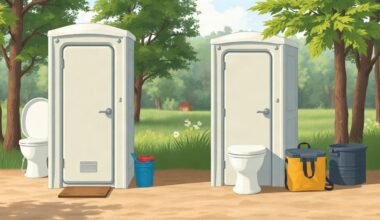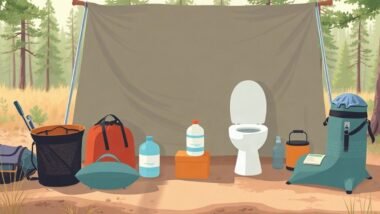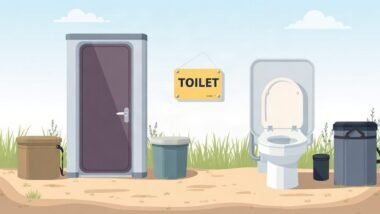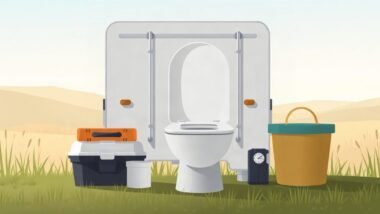

What a UK Elsan point is for
An Elsan point, more formally known as a chemical disposal point or CDP, is a dedicated drain where you empty the waste cassette from a portable chemical toilet. It gives caravanners, motorhomers and boaters somewhere sensible to pour toilet waste, rinse the cassette and move on without mess or controversy. In short, it exists so that chemical toilet waste never ends up in ordinary drains, hedges, or the loos provided for site guests.
Key takeaways
- An Elsan point is a purpose-built hopper or drain for emptying and rinsing chemical toilet cassettes from caravans, motorhomes, boats and portable units.
- Chemical toilet waste must only go into a chemical disposal point, never into normal toilets, sinks, or drinking water points.
- They are common on touring sites and at canal side facilities, and experienced tourers often check for one before booking.
- Basic etiquette matters: only pour cassette waste in, rinse carefully, leave the area clean, and never empty grey waste or cassette water into a drinking water tap.
- Some units accept both chemical and grey waste, but many do not, so read the signage on site before you pour.
Why sites install Elsan points in the first place
Nearly every caravan, motorhome and many trailer tents carry a cassette style chemical toilet with a removable waste tank. Once that tank is full, it has to go somewhere, and a proper chemical disposal point gives guests somewhere hygienic to empty it and walk away without fuss, as the CampSuite UK campsite guide explains (S3).
Without one, site owners face a predictable problem: guests tipping waste down regular toilets, into hedgerows, or worse. Get the facility right and nobody notices it. Get it wrong and it is often the first thing that appears in a review, which is why seasoned tourers look for a proper CDP near the top of their booking checklist (S3).
What does an Elsan point actually look like?
The classic design is a stainless steel or plastic hopper, often set into a hardstanding pad, sometimes with a tipping mechanism and a water supply or rinse facility nearby. Purpose-built units are designed to make emptying cassette type toilets from caravans, campsites and boats hygienic and spill-free, with a designated tipping area at a comfortable height to reduce splashes and user confusion (S4).
Installations vary. Standalone chemical toilet disposal units have been installed across the UK and Europe since 2009, and can be sited inside or outside a building, placed directly over a manhole, or plumbed into a 110mm sewer drain connector, provided there is a water supply (S1). On the canal network, the Canal & River Trust provides water points and sewage disposal facilities at many boating locations, most plumbed into the mains with bowsers serving some rural spots (S2).
Separate facilities for different waste
Well designed sites keep things clearly labelled. Well designed sites label their facilities clearly. One manufacturer, for example, uses black labelling for toilet waste, grey for sink and shower waste, and fresh for drinking water across its disposal and water products (S4). Confusing a waste point with a water point is one of the most serious mistakes a camper can make.
How to use a chemical disposal point properly
- Carry the cassette with the vent closed. Keep the lid or sliding valve shut during transport to avoid spills on the walk from your pitch.
- Check the signage first. Some hoppers accept only black waste, some are designated for grey water, and a few take both. Pouring the wrong thing into the wrong drain creates real problems for the site.
- Pour slowly and steadily. Most hoppers are wide enough to avoid splashing, but a controlled pour keeps the pad clean for the next person.
- Rinse the cassette. Use the rinse point or a small amount of water, swirl, and empty that rinse water into the same Elsan point.
- Leave it clean. If you splash the surround, rinse it down. The next user, and the site owner, will thank you.
On the waterways, the same discipline applies to filling as well as emptying. The Canal & River Trust advises boaters to use food grade quality hoses to fill on-board water tanks, not to let hoses sit in puddles or on contaminated ground, never to let them touch canal or river water, and to empty hoses after use and store them in a sealed container to prevent cross contamination (S2).
What should never go into an Elsan point
- Grey water from sinks and showers, unless the unit is specifically marked as accepting it. Grey waste has its own drains on most sites.
- Rubbish, wipes, nappies or sanitary items. These block pumps and hoppers quickly and can put a facility out of action for everyone.
- Nothing at drinking water points. Water taps are for filling containers only, and never for rinsing cassettes or washing hands at the spout.
- Canal or river water contact. Any hose used at a water point must not be dipped into or connected to canal or river water (S2).
Where can you find Elsan points in the UK?
You will find chemical disposal points on many touring caravan parks and campsites that accept motorhomes, and at canal side facilities operated by the Canal & River Trust, which provides water points and sewage disposal at boating locations across its network (S2). Many UK and European sites have installed dedicated standalone disposal units for exactly this purpose (S1).
If you tour regularly, it is worth checking a site’s facilities before you book. As CampSuite notes, asking whether there is a proper chemical disposal point is one of the first things experienced caravanners and motorhome owners do, because arriving with a full cassette and nowhere to empty it is a miserable start to any trip (S3).
Are they always free to use?
Whether use of the disposal point is included in your pitch fee varies between sites, so check with the operator before you travel. Access rules may differ at non residential facilities, so check locally if you are not staying overnight.
Elsan point etiquette: the unwritten rules
- Only cassette waste goes in. If you are unsure, look for the signage or ask reception rather than guessing.
- Keep it quick. These are shared facilities, and someone is often queuing behind you with a full cassette of their own.
- Clean up after yourself. Rinse any spills on the hopper and the surrounding pad.
- Never use a drinking water tap for rinsing. Cross contamination between waste and drinking water facilities is the cardinal sin of site life.
- Report problems. If a hopper is blocked or damaged, tell the site owner or, on the canal network, the Canal & River Trust, which is investing in standardised, vandal resistant equipment partly so faults can be fixed on the first visit (S2).
Why the right chemicals matter as much as the right drain
What you put in your cassette affects the disposal point as well as your toilet. Some sites display guidance about which fluids they accept, since certain chemicals can cause problems for waste handling and the environment, so it is worth checking before you use a point. Always follow the chemical manufacturer’s dosing instructions, and if a site displays guidance about acceptable fluids, follow it. A modern unit plumbed into the sewer network is built to handle chemical toilet waste, but the fluids you use should still respect both the equipment and the environment (S1).
FAQ
Can I empty my cassette toilet into a normal toilet?
No. Cassette waste should only go into a dedicated chemical disposal point. Household and campsite toilets are not designed for the volume or the chemicals involved, and pouring cassette contents down them is against the rules on virtually every site.
Is an Elsan point the same as a grey waste drain?
Not always. An Elsan point is for black waste from chemical toilet cassettes. Some sites provide combined units, but many keep the two separate, with grey drains marked for sink and shower water and black units reserved for toilet waste. Check the labelling before you pour (S4).
Do I need to rinse my cassette after emptying?
Yes, a quick rinse keeps residue from building up and reduces odours. Empty the rinse water into the same Elsan point, never into a drinking water tap or a watercourse.
Can I fill my water containers at the Elsan point?
Only if the site provides a separate, clearly marked drinking water tap. Water and waste facilities should never be mixed. When filling tanks, the Canal & River Trust advises using food grade hoses, keeping them off contaminated ground, and never letting them touch canal or river water (S2).
What if there is no Elsan point on my site?
Ask at reception; some sites direct you to a nearby public facility. If there genuinely is nowhere to empty a cassette, the honest answer is that you should not have used the toilet on site, and you should travel to the next facility before the cassette is full. This is exactly why experienced tourers confirm the facilities before booking (S3).
The bottom line
A UK Elsan point is the dedicated, hygienic answer to a simple question: where does the waste from a portable chemical toilet go? Use it only for cassette waste, rinse and leave it clean, keep waste and drinking water strictly separate, and you will be welcome at every site you visit. If you are planning your next trip, it is worth reviewing your portable toilet and sanitation kit now so a full cassette never catches you out.